You're standing in front of a stunning building. Intricate stonework. Towering columns. Clearly important.
But you have no idea what it is.
Sound familiar?
You could pull out your phone. Type a clunky description into Google. Scroll through results. Click a Wikipedia link. Skim paragraphs of text. Maybe find what you're looking for. Maybe not.
By then? The moment's gone. Your travel buddy is already three blocks ahead. And that building remains a mystery.
There's a better way. A faster way. A way that takes literally 30 seconds or less.
Let's break it down.
The Old-School Methods (And Why They Fall Short)
Before we dive into the good stuff, let's acknowledge the traditional approaches. They work. Sort of. But they come with frustrations.
Reading Plaques and Signage
Most landmarks have them. Small metal plates with tiny text. Sometimes weathered. Sometimes in a language you don't speak. And often? They're positioned where 47 other tourists are already standing.
Plus, not every interesting building has a plaque. That gorgeous Art Deco apartment building? That quirky church tucked down a side street? No signage in sight.
Googling It
The classic move. But here's the problem: you need to know what to search. "Old building with columns in Rome" isn't exactly a precise query. You'll spend minutes scrolling through irrelevant results before finding anything useful.

QR Codes
These are popping up at more landmarks. Scan the code. Get the info. Simple enough.
When they exist. And when they work. And when they're not faded beyond recognition or blocked by construction scaffolding.
Guided Tours
Great for deep dives. Terrible for spontaneous exploration. You're locked into someone else's schedule. Someone else's route. Someone else's pace.
Sometimes you just want answers. Right now. On your terms.
The 30-Second Solution: AI-Powered Landmark Recognition
Here's where things get exciting.
Imagine this: You see a building that intrigues you. You pull out your phone. Point your camera. Snap.
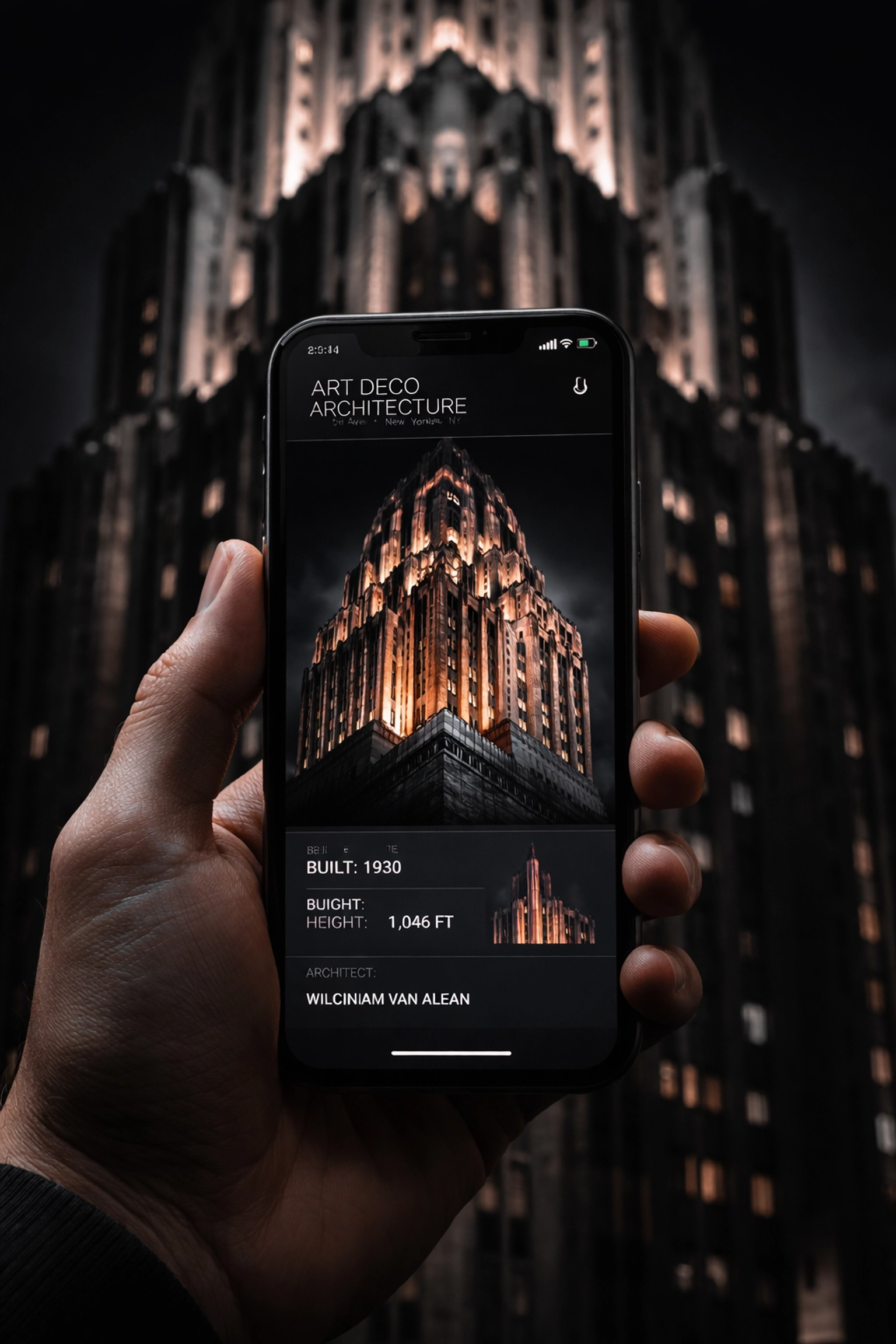
Within seconds, you know everything. The name. The architect. The year it was built. The historical significance. The stories that make it matter.
No typing. No searching. No guessing.
This is what AI landmark recognition technology delivers. And it's changing how modern explorers experience the world.
How Does It Actually Work?
The technology behind instant landmark recognition is fascinating. But you don't need a computer science degree to appreciate it.
Here's the simple version:
- You take a photo of any building or landmark
- AI analyzes the image using advanced visual recognition
- The system matches it against vast databases of architectural and historical information
- You receive the story delivered instantly to your screen
The AI uses something called convolutional neural networks. Fancy term. But what it means for you? The system can identify buildings from almost any angle, in various lighting conditions, even partially obscured.
It's like having an expert architectural historian in your pocket. One who never gets tired. Never judges your questions. And responds in seconds.
Five Tips for Mastering Quick Landmark Discovery
Ready to become a pro at uncovering stories on the fly? These strategies will help you get the most out of modern discovery tools.
1. Capture the Distinctive Features
When photographing a landmark, focus on what makes it unique. Ornate doorways. Unusual rooflines. Decorative elements. The more distinctive the feature, the faster and more accurate the identification.
A straight-on shot of the entire facade works great. But don't be afraid to capture interesting details too.
2. Check Multiple Angles
Sometimes one photo doesn't tell the whole story. If your first snap doesn't yield results, try a different perspective. Walk around the corner. Step back for a wider view. Get closer to architectural details.
Different angles can reveal different information about the same structure.
3. Save Stories for Later
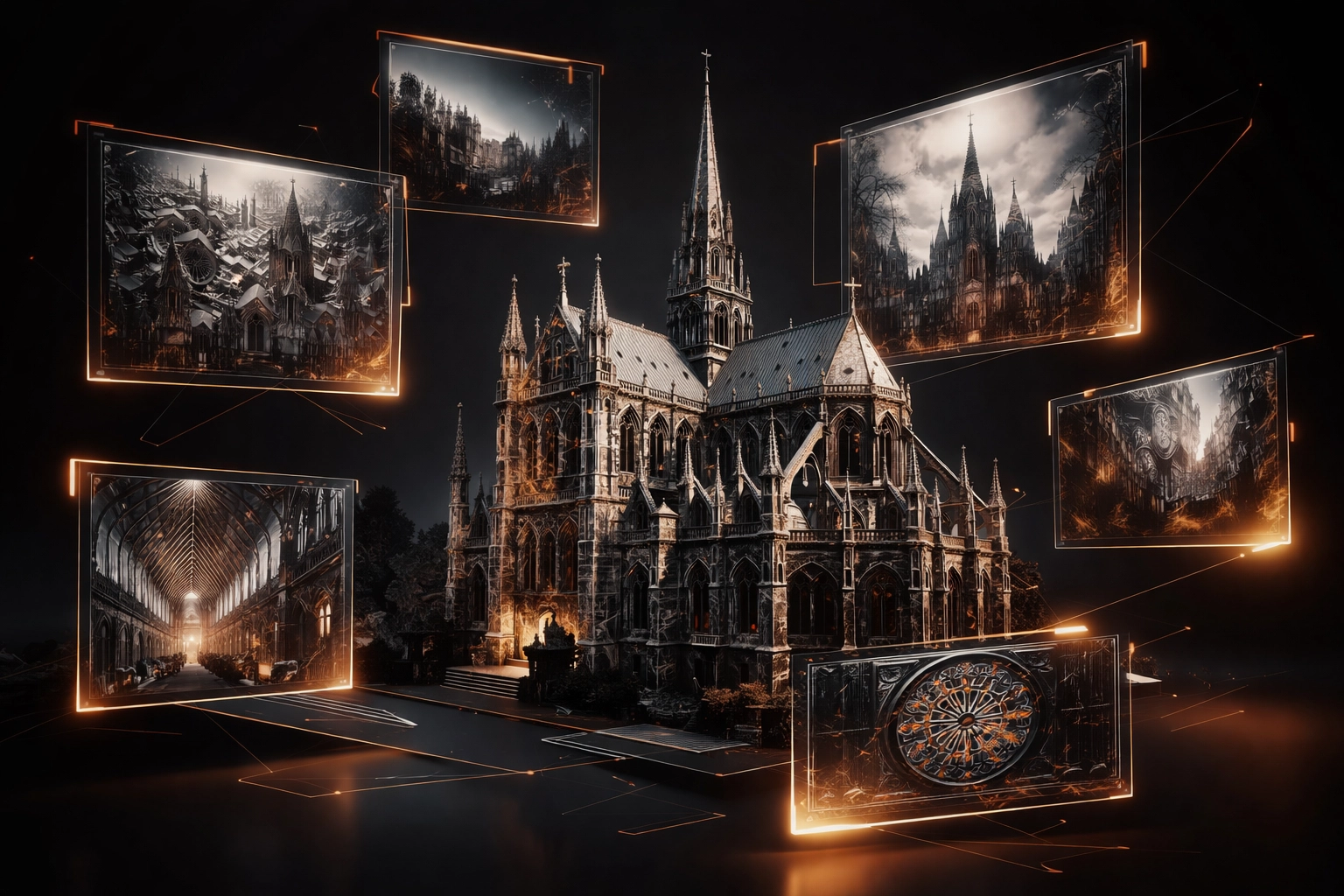
Discovered something fascinating but don't have time to read the full history right now? Save it.
Most landmark recognition apps let you bookmark discoveries. Build your own personal collection of architectural stories. Review them later over coffee. Share them with friends back home.
Your explorations become a curated library of discoveries.
4. Go Beyond the Famous Landmarks
Sure, you can learn about the Eiffel Tower or the Colosseum. But the real magic? Finding stories behind buildings you'd otherwise walk right past.
That apartment building on the corner might have housed a famous writer. That unassuming church might have survived three wars. That bridge might have a tragic love story attached to it.
Every building has a story. Now you can actually hear them.
5. Let Curiosity Guide You
This is the big one.
With instant landmark recognition, you don't need a rigid itinerary. You don't need to research for hours before a trip. You can simply wander. Explore. Follow what catches your eye.
See something interesting? Scan it. Learn its story. Move on. Or dive deeper.
You're in control. Your curiosity leads the way.
Why 30 Seconds Matters
You might wonder: why the emphasis on speed?
Because travel moments are fleeting. Because attention spans are short. Because the best discoveries happen spontaneously.
When you can learn a landmark's story in 30 seconds:
- You stay present in the moment
- You explore more ground in less time
- You satisfy curiosity instantly instead of letting it fade
- You make connections between places as you walk
- You transform passive sightseeing into active discovery

Speed doesn't mean shallow. It means accessible. The 30-second summary opens the door. If something fascinates you, you can always dig deeper.
The Future of Exploration Is Here
Travel is being redefined. Not by bigger tour buses or fancier hotels. By technology that puts knowledge at your fingertips.
The modern explorer doesn't need a guidebook weighing down their bag. Doesn't need to hire expensive private guides. Doesn't need to spend hours researching before every trip.
The modern explorer needs curiosity. A smartphone. And the right tools.
AI-powered landmark recognition isn't replacing the joy of discovery. It's amplifying it. Every building becomes an opportunity. Every street corner holds potential stories.
You just need to point and scan.
Start Discovering
Next time you travel: whether across the world or across town: pay attention to the buildings around you. The old bank on Main Street. The church you've driven past a hundred times. The mysterious mansion at the end of the block.
They all have stories.
And now? You can learn them in 30 seconds or less.
No research required. No tour guide needed. Just you, your curiosity, and technology that makes discovery effortless.
Ready to explore differently? Check out how ScanitectAI is making instant landmark discovery a reality for curious travelers everywhere.
The world is full of stories waiting to be uncovered.
What will you discover first?
Leave a Reply